
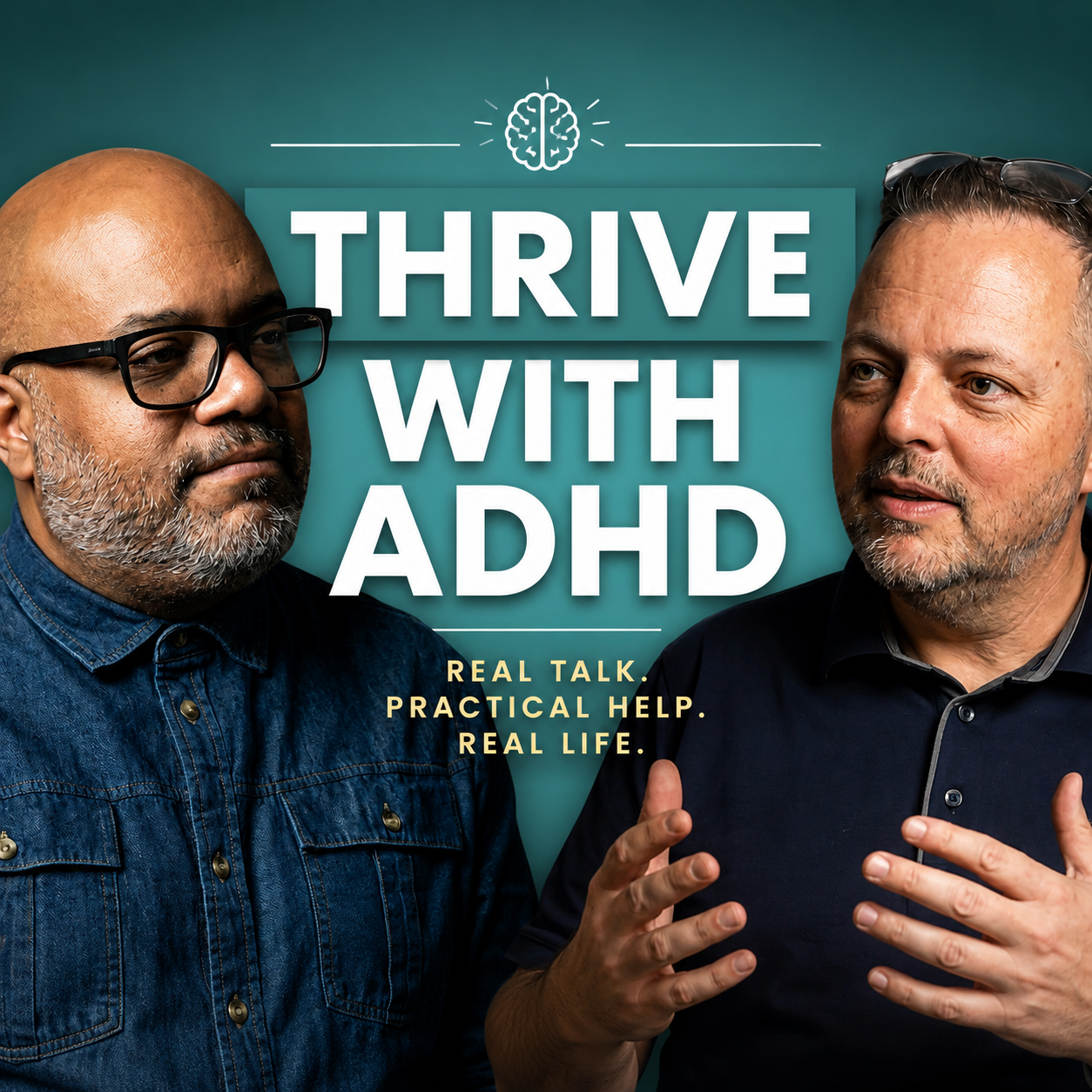
The Signs of Adult ADHD Most people Miss (It's Not What You Think)
Many adults spend decades believing they're lazy or disorganized when they're actually living with undiagnosed ADHD. In this episode, Dr. Ernie explains the real signs of adult ADHD, how it affects relationships and parenting, and why understanding the condition can replace years of shame with hope.
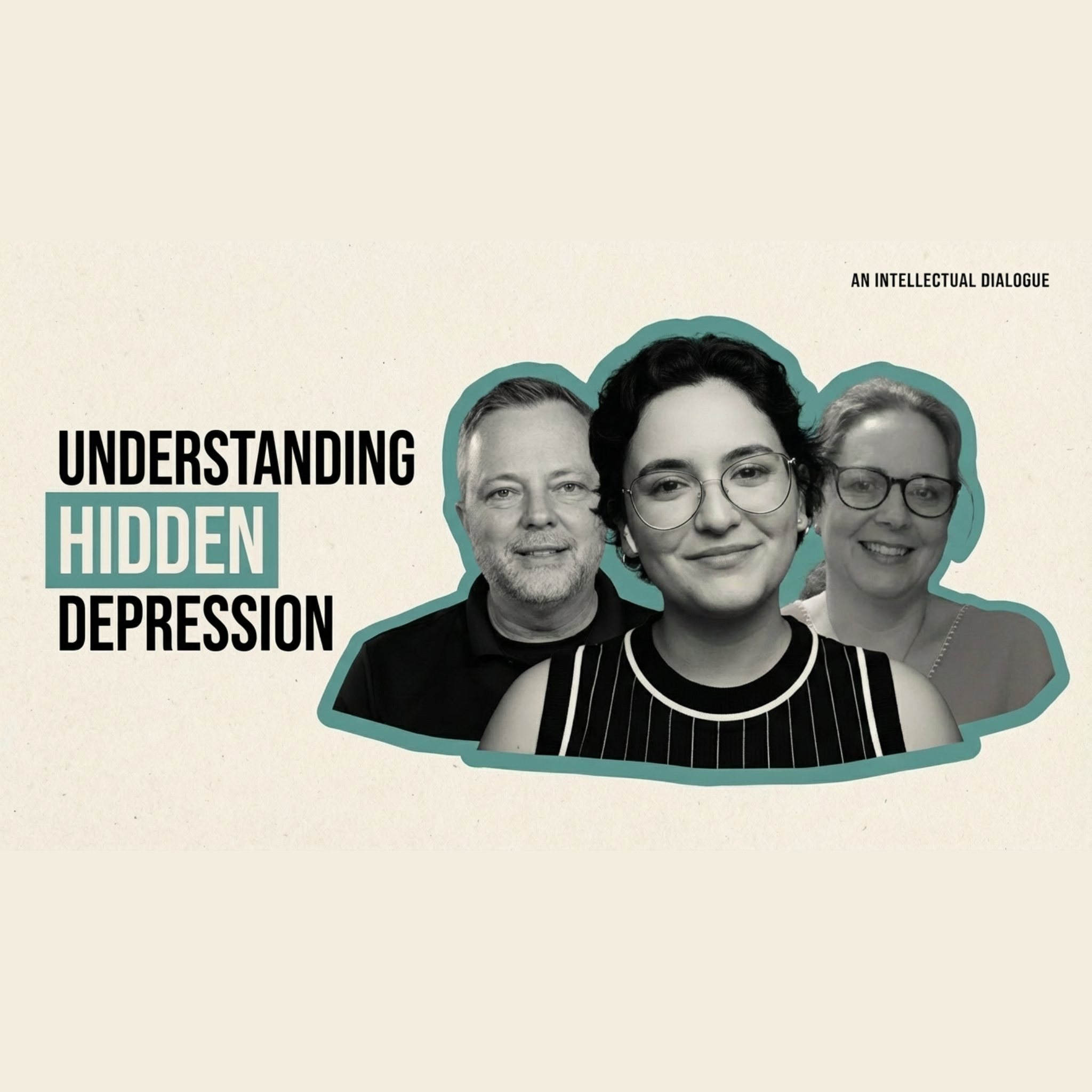
Adult Depression in Real Life: The Hidden Forms No One Talks About
Depression does not always look obvious. In this episode of Real Life Counseling, Ryan Simpson, Dr. Ernie Reilly, Dr. Judi Allen, and Ale Rios unpack the hidden forms of adult depression, including high-functioning depression, irritability, emotional numbness, and achievement-driven depression. They explain how someone can still be working, parenting, and appearing “fine” while quietly carrying heaviness, fatigue, or disconnection beneath the surface. The conversation also explores the difference between burnout and depression, why motivation is often one of the first things depression affects, and how counseling can help adults move forward with clarity and hope.
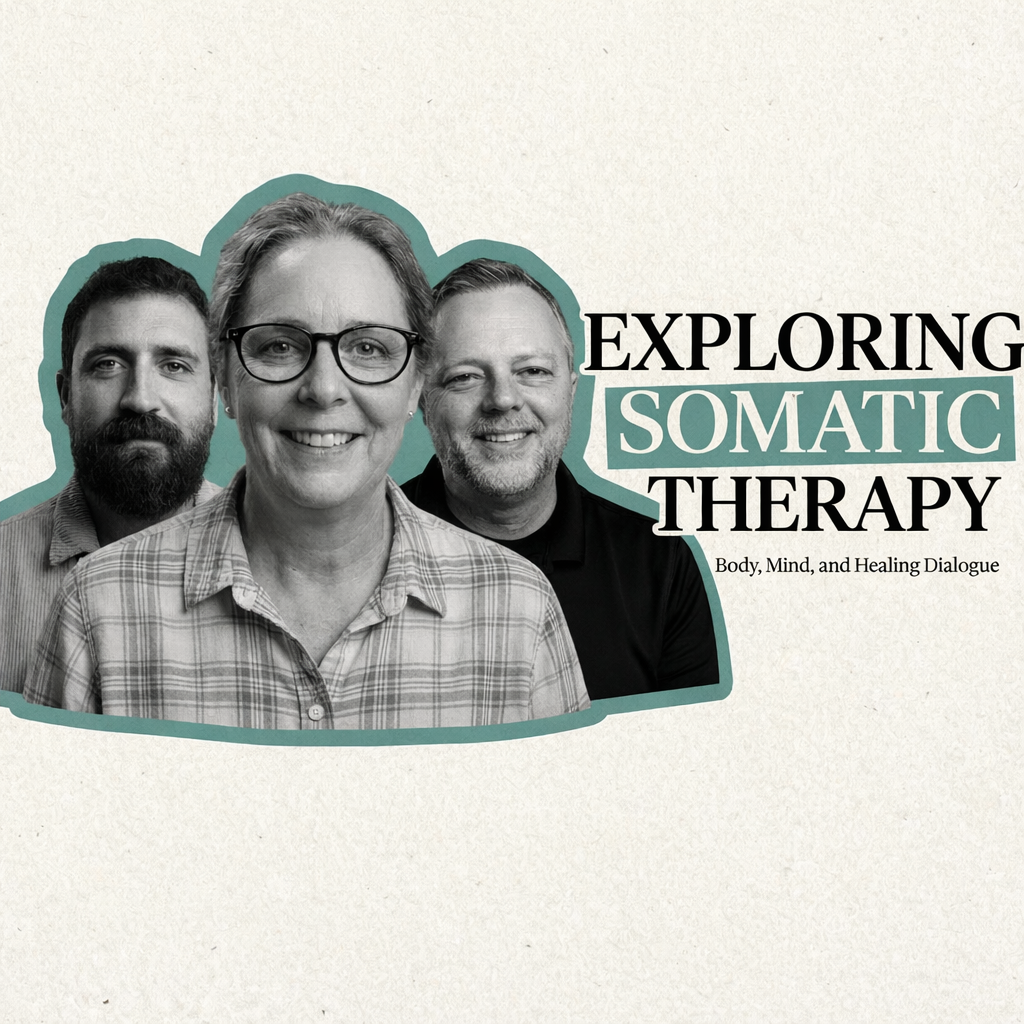
Somatic Therapy — Why Healing Can Involve the Body
Somatic therapy is gaining attention, but many people still are not sure what it actually means. In this episode, the counselors at The Counseling Corner explain how healing can involve more than thoughts and words—it can also involve the body and nervous system. Dr. Ernie Reilly, Dr. Judi Allen, and Ale Rios explore how stress, anxiety, trauma, and even emotional shutdown can show up physically through tension, racing thoughts, numbness, and exhaustion. They also unpack why some people feel stuck even after years of talking about their pain and how somatic therapy can complement traditional talk therapy. Listeners will come away with practical tools like body check-ins, grounding, intentional movement, and mindful pauses that can support healing in everyday life. This episode is a helpful introduction for anyone curious about body-based therapy and how it can play a role in emotional wellness.
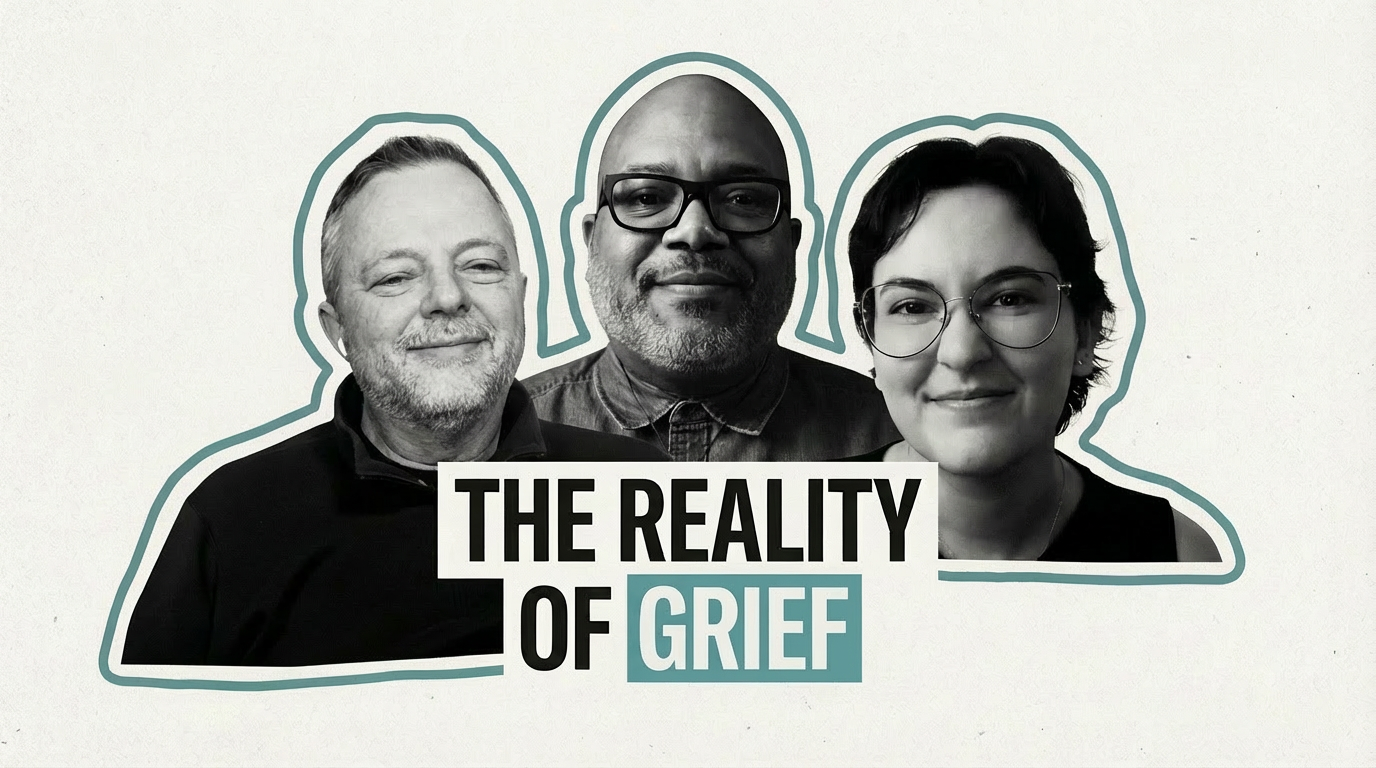
Grief Isn’t Just Sadness: How Loss Reshapes Identity and the Nervous System
Grief is often misunderstood as simply sadness, but in reality it can show up as anxiety, exhaustion, anger, numbness, and even physical symptoms. In this episode of Real Life Counseling, the Counseling Corner team explores the most common myths about grief and why the healing process rarely follows a predictable timeline. The conversation also explains how loss can change our identity, why grief can feel foggy and overwhelming, and why “being strong” doesn’t mean grieving in silence. The counselors also discuss forms of grief people rarely talk about, including miscarriage, job loss, divorce, retirement, and suicide loss. If you’ve ever wondered whether what you’re feeling is normal—or how grief counseling can help—this episode offers clarity, compassion, and practical encouragement.
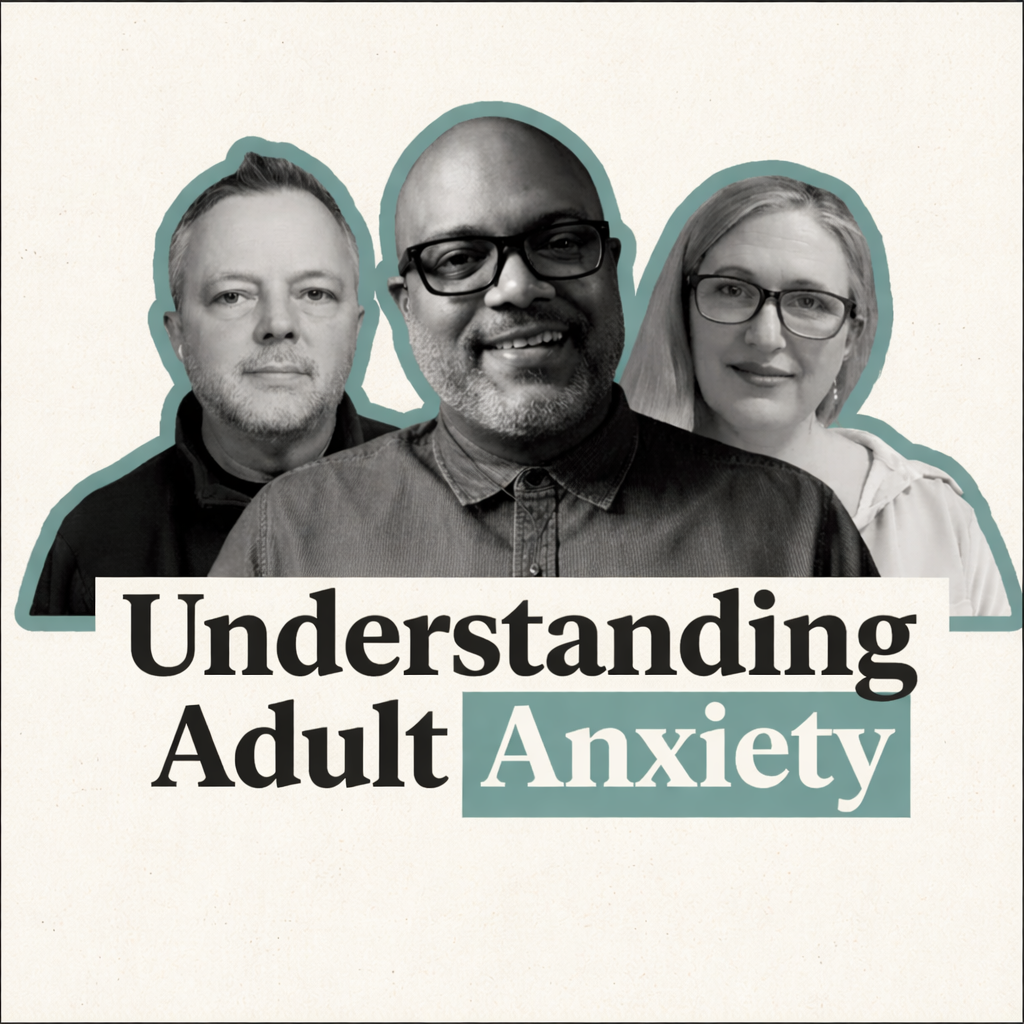
Adult Anxiety in Real Life: What It Is, What It Isn’t, and What Actually Helps
In this episode of Real Life Counseling, we unpack what adult anxiety really looks like — especially when you’re still functioning. Anxiety doesn’t always shut life down; sometimes it hides beneath busy schedules, late-night overthinking, irritability, and the constant belief that things will calm down “next season.” Our therapists explore the difference between stress, anxiety, and burnout, why avoidance can strengthen the anxiety cycle, and how reframing your thoughts builds resilience over time. We also bust common therapy myths, including the idea that counseling is just about “calming down” or “thinking positive.” If you’ve ever wondered whether what you’re feeling is just adulthood or something more, this conversation will help you feel understood — and less alone.

Navigating Adult Anxiety: Insights and Strategies
In this episode of Real Life Counseling, Ryan and Dr. Ernie Reilly, LCSW delve into the complexities of anxiety in adults, exploring its symptoms, the impact of technology, and effective coping strategies. They discuss the importance of understanding anxiety as a common struggle rather than a character flaw, and emphasize the value of therapy and support. The conversation also highlights practical techniques for managing anxiety in daily life, as well as how to support loved ones dealing with anxiety.