
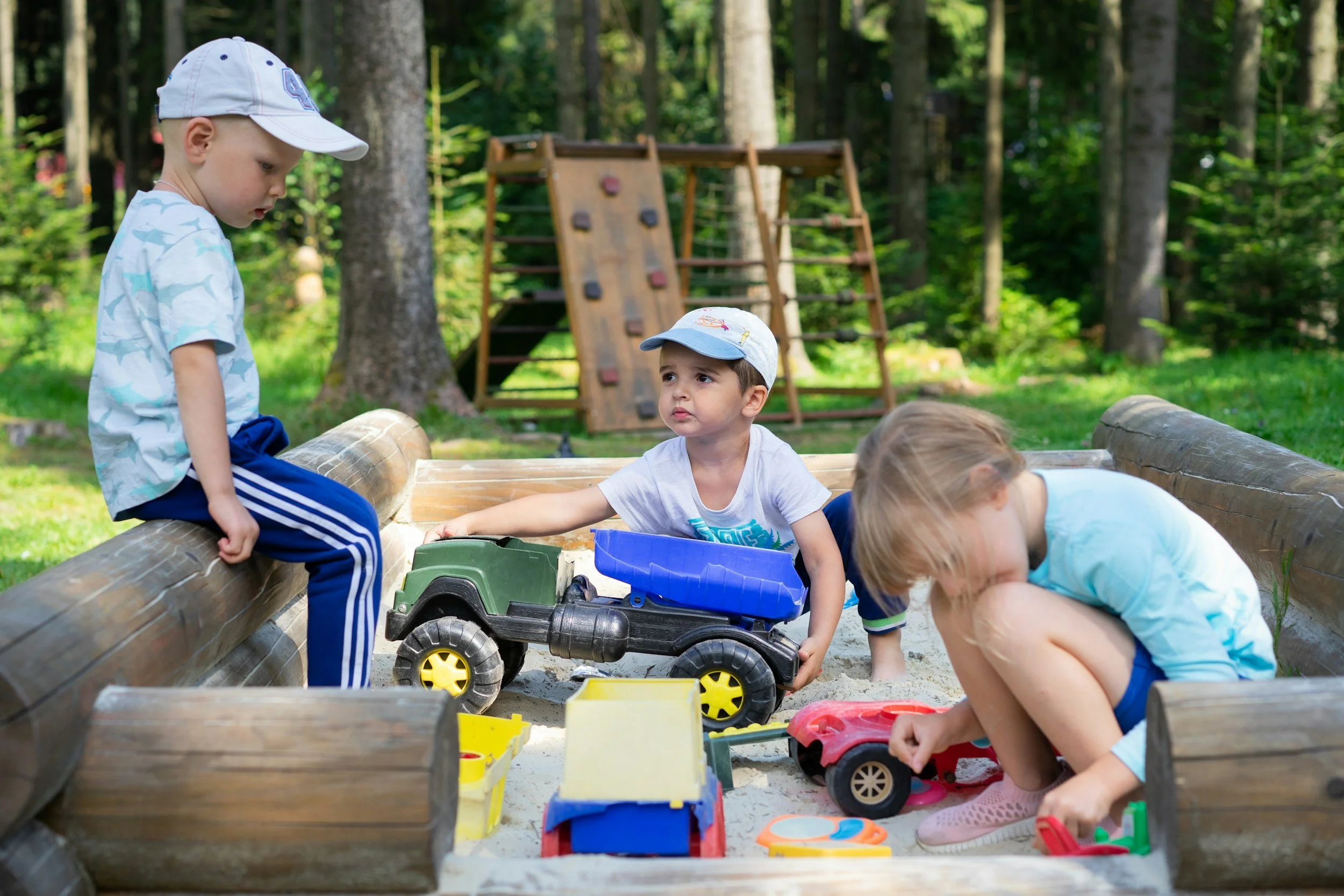
How to Help Your Child Talk About Feelings Through Play
A child may be able to explain a favorite game but struggle to say they felt embarrassed or left out. This parent guide shares five ways to help preschool and early-elementary children talk about feelings through everyday play. Using toys, stories, drawing, and games, you can offer words without pressuring your child to explain everything. You will find examples of what to say and ways to adapt when your child stays quiet or disagrees. The article also explains when ongoing emotional difficulties deserve professional attention.

Feeling Overwhelmed in Your 20s? When Life Looks Fine but Feels Hard
You can be keeping up with work and responsibilities while feeling overwhelmed by the rest of adulthood. Leaving college, changing friendships, money worries, and family expectations can create pressure that is hard to explain. This article helps young adults separate practical problems from the worries surrounding them and choose a manageable place to begin. It also explains how to notice when stress is affecting sleep, relationships, or everyday responsibilities. If that strain persists, counseling can help you understand what is happening and consider appropriate support.

How Children Grieve at Different Ages
Children understand and express grief differently as they grow. Preschoolers may repeat questions or regress, school-age children may worry about safety or struggle at school, and teenagers may become private, angry, or withdrawn. This guide explains what grief can look like at each developmental stage and how parents can respond with clear, age-appropriate support. It also explores why children may revisit the same loss as their understanding matures. When grief begins disrupting daily life, children’s grief counseling can provide a safe place to process the loss.

Why Trauma Triggers Can Look Like Misbehavior in Children
A child’s sudden anger, withdrawal, refusal, or panic may look like misbehavior when the response may be connected to a trauma trigger. This article explains why safe situations can still feel dangerous to a child and how trauma responses may appear at home or school. Parents will learn about commonly overlooked triggers and practical ways to respond without removing necessary boundaries. It also identifies reactions that can make an already difficult moment worse. When these patterns persist or interfere with daily life, trauma-informed counseling may help the family understand what is happening and choose an appropriate next step.

When Do a Child’s Worries or Rituals Need Professional Support?
Worry and familiar routines are normal parts of childhood, but sometimes they begin causing significant distress or controlling family life. Dr. Ernie Reilly explains how parents can distinguish an ordinary preference from a possible compulsion by looking at rigidity, repetition, and interference with daily activities. He also explores why reassurance may provide only temporary relief and how OCD-focused therapy can help. Learn which patterns deserve attention and when it may be time to seek professional guidance.

How Trauma Can Show Up in Teenagers: Signs Parents May Miss
Trauma in teenagers does not always look like obvious fear or sadness. It may appear as irritability, withdrawal, perfectionism, changing friendships, or even an unexpected improvement in grades and behavior. Dr. Ernie Reilly explains why parents should look for changes in their teenager’s overall pattern rather than relying on any single warning sign. Learn how to begin the conversation and when it may be time to seek professional guidance.

Teen Life Coach vs Therapist: Which Fits Best
Should your teen see a life coach or a therapist? Learn the key differences between coaching and counseling, what each can help with, and how to choose the right kind of support for your teen.

What to Expect From Premarital Counseling
What should couples talk about before getting married? Explore seven essential conversations that can strengthen communication, uncover expectations, and help you build a healthier foundation for marriage.

Are TikTok, YouTube Shorts, and Reels Affecting Your Child?
Are TikTok, YouTube Shorts, and Instagram Reels affecting your child's attention, emotions, or behavior? In this evidence-based guide, therapist Michael Bombka, LMHC, explains what current research says about screen time, dopamine, ADHD, executive functioning, anxiety, emotional regulation, and healthy child development. Families throughout Orlando, Orange City, Deland, Sanford, Debary, and Central Florida will find practical, compassionate strategies for creating healthier technology habits without guilt or fear.

ADHD Testing and Treatment for Children: A Parent’s Roadmap
ADHD testing is not a finish line—it is the beginning of a clearer roadmap. Learn how to prepare your child, what an evaluation may include, and how the results can guide therapy, parent coaching, executive-function support, school accommodations, and conversations with your child’s medical provider.

How Do I Know If My Child Needs Therapy? 5 Questions to Ask
Is your child going through a normal phase—or showing signs they may need extra support? Learn five practical questions parents can use to evaluate meltdowns, withdrawal, school anxiety, clinginess, and other behavior changes. This guide explains what to watch, what child and play therapy look like, and when it may help to speak with a child therapist in Orlando

What to Expect During Adult ADHD Testing
Many adults reach a point where they start wondering whether ADHD might explain the patterns they keep running into — the procrastination, the scattered focus, the constant feeling of being behind despite trying hard. An ADHD evaluation is not about finding a label. It is about finally understanding how your brain works, and what support might actually help you move forward.

What Happens in Infidelity Counseling? A Step-by-Step Guide for Couples After Betrayal
When infidelity comes to light, both partners are often overwhelmed — one carrying the pain of betrayal, the other carrying shame and guilt. Healing rarely happens on its own. Our Orlando couples therapists help you slow down, communicate more safely, and begin working through the damage together — whether that means rebuilding the relationship or finding clarity on what comes next.

Why Addiction Is So Hard to Stop (Even When You Want To)
If you've ever asked yourself, "If I know it's hurting me, why can't I just stop?" you're not alone. Learn how addiction affects the brain, why trauma, anxiety, and emotional pain often fuel addictive behaviors, and what recovery really requires. Discover why addiction is about more than willpower—and why hope is possible.

Am I Addicted? 10 Warning Signs of Addiction Most People Miss
Many people assume addiction only affects people who have hit rock bottom. The reality is that addiction often hides behind successful careers, busy schedules, and everyday routines. Learn the 10 warning signs of addiction most people miss, discover the difference between a habit and an addiction, and find out when it may be time to seek help.

Somatic Therapy for Men Who Were Taught Not to Feel
Many men were taught to “man up,” suppress emotions, and push through stress without realizing the long-term impact on their relationships, mental health, and physical well-being. In this article, Dr. Judith Allen explores emotional suppression, alexithymia, nervous system regulation, and how Somatic Therapy can help men reconnect with themselves and the people they care about most. The Counseling Corner: Orlando, Florida, since 1998

Why Gifted Children Often Struggle With Perfectionism and Anxiety
Many gifted children appear highly capable on the outside while quietly struggling with intense perfectionism, anxiety, and fear of failure internally. Parents may notice emotional meltdowns over small mistakes, harsh self-criticism, avoidance of challenges, or overwhelming pressure tied to school and achievement. This article explores why gifted children are especially vulnerable to perfectionism, the signs parents often miss, and how therapy can help children develop healthier coping skills, emotional resilience, and confidence.

Can a Relationship Heal After Infidelity? What Recovery Actually Looks Like
Infidelity can deeply impact trust, emotional safety, and connection. This trauma-informed guide from The Counseling Corner in Orlando explains what healing after betrayal actually looks like, why recovery takes time, and how marriage counseling and infidelity therapy can help couples rebuild trust throughout Central Florida and online across Florida.

Why Trauma Lives in the Body — Not Just the Mind: Understanding Somatic Therapy, EMDR, and Nervous System Healing in Orlando
Trauma is not just something you remember—it’s something your body may continue trying to protect you from long after the danger has passed. If you constantly feel on edge, emotionally numb, anxious, reactive, or unable to fully relax, your nervous system may still be stuck in survival mode. In this article, we explore why trauma lives in the body, how somatic therapy and EMDR therapy work, and what healing can actually look like for people seeking trauma therapy in Orlando and across Florida.

Top 5 Effective ADHD Therapies for Adults: Finding the Right Fit
Adult ADHD can affect focus, organization, emotional regulation, work, and relationships — but the right therapy can help. This article explores five effective ADHD treatment options for adults, including CBT, ADHD coaching, behavioral therapy, mindfulness, medication management, and support services.