
What Happens in Infidelity Counseling? A Step-by-Step Guide for Couples After Betrayal
Founder and Executive Director of The Counseling Corner
In more than 30 years of working with couples, we've found that when infidelity comes to light, most couples feel like the ground has shifted beneath them.
One partner may feel devastated, angry, anxious, numb, or unable to stop replaying what happened. The other may feel shame, guilt, defensiveness, fear, or desperation to “move forward” before the relationship is ready.
In those early days after betrayal, couples often try to talk — but the conversations quickly become overwhelming. One person asks questions. The other shuts down. One pushes for answers. The other gets defensive. Both people are hurting, and neither knows how to make the pain smaller.
That is where infidelity counseling can help.
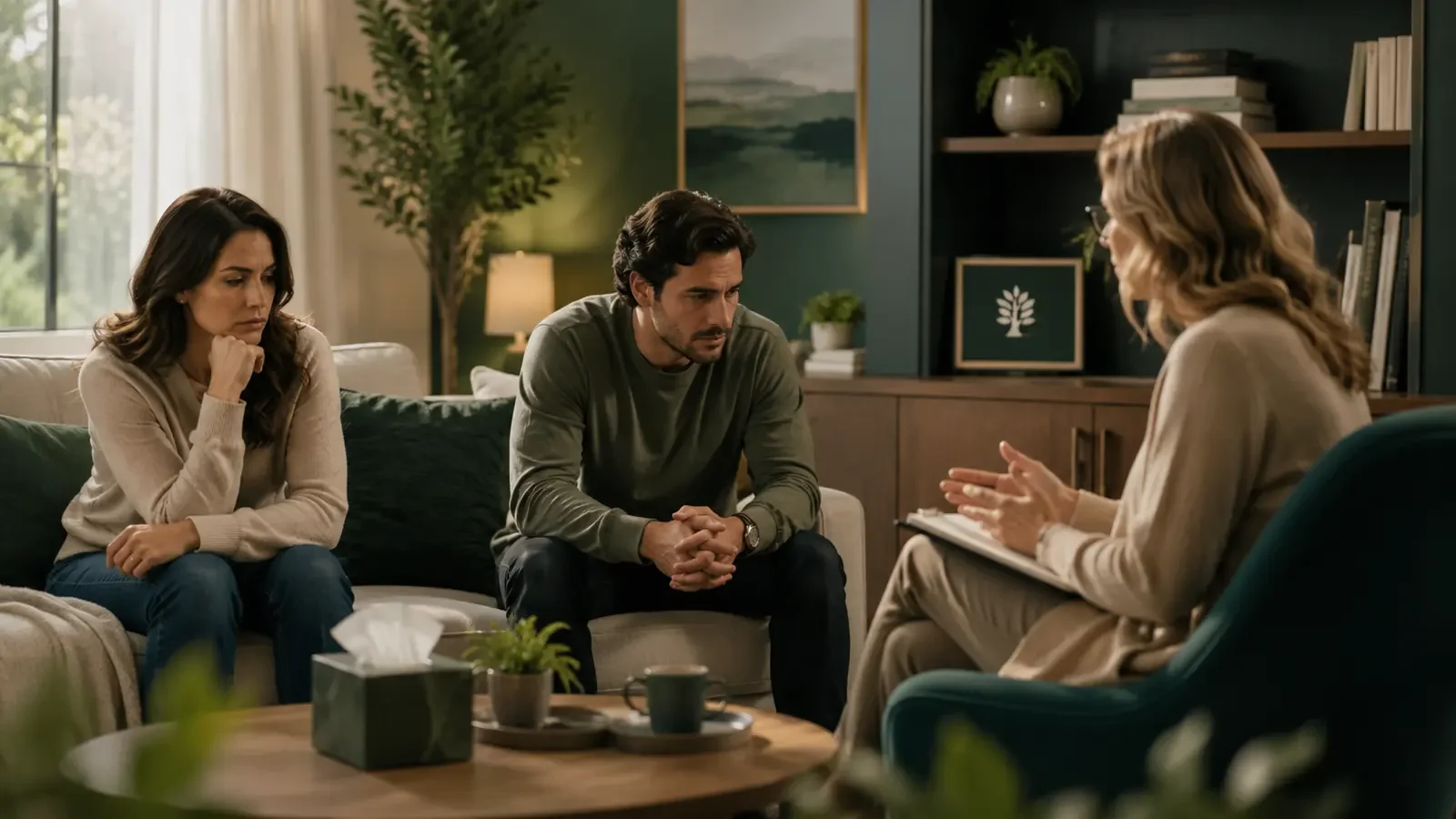
At The Counseling Corner, our Orlando couples therapists help partners slow the process down, create emotional safety, and begin working through the damage caused by betrayal. Infidelity counseling is not about pretending the affair did not happen. It is not about forcing quick forgiveness. It is not about deciding for you whether you should stay together.
It is about helping you understand what happened, what the betrayal has done to the relationship, and what healing would need to look like from here.
First, Infidelity Counseling Starts With Stabilization
One of the biggest misconceptions we see is that couples need to decide immediately whether they're staying together. In reality, the first priority is usually helping both partners feel emotionally stable enough to make thoughtful decisions rather than reacting in crisis.
Most couples do not enter therapy feeling calm and ready for deep reflection.
They usually come in feeling overwhelmed.
The betrayed partner may be experiencing:
Shock or disbelief
Intrusive thoughts
Anxiety or panic
Trouble sleeping
Depression and grief
Anger or emotional flooding
Fear of being lied to again
A deep loss of safety
The partner who was unfaithful may be experiencing:
Shame
Guilt
Fear of losing the relationship
Defensiveness
Confusion about how to repair the damage
A desire to move past the pain too quickly
In the beginning, the goal is usually not to solve everything immediately. The first goal is to help both partners slow down enough to have safer, more productive conversations.
A therapist may help you establish immediate boundaries, reduce emotionally destructive communication patterns, and create a plan for what needs to happen between sessions.
Stabilization matters because couples cannot rebuild trust while they are in constant crisis mode.
Many couples tell us they've had the same conversation dozens of times at home without getting anywhere. That's not because they don't care—it's because betrayal often overwhelms the very communication skills they normally rely on.
Therapy Helps Create a Safer Place to Talk
After infidelity, many couples get stuck in painful communication loops.
One partner may need answers. The other may feel attacked. One may cry, yell, or withdraw. The other may minimize, defend, or shut down.
Without structure, conversations can become circular and damaging.
In infidelity counseling, the therapist helps guide the conversation so both partners can speak honestly without the discussion becoming unsafe or unproductive.
That may include helping couples:
Speak without attacking
Listen without immediately defending
Ask questions in a way that does not escalate the conversation
Name emotions clearly
Slow down when one or both partners become flooded
Separate facts, fears, assumptions, and feelings
Begin rebuilding emotional safety
This does not mean the conversations are easy. They often are not.
But therapy can help couples have the conversations they have been trying to have at home — with more structure, support, and care.
The Betrayed Partner Needs Room to Process the Pain
One pattern we frequently see is that well-meaning friends and family encourage the hurt partner to "move on." In our experience, healing usually begins when people are given permission to fully process what happened rather than rushing past it.
So one mistake couples sometimes make is trying to rush the hurt partner into forgiveness before they have had time to process the betrayal.
That usually does not work.
The betrayed partner often needs space to grieve what was broken. They may need to talk through what they discovered, what they fear, what they lost, and what they need in order to feel safe again.
Infidelity can affect a person’s sense of reality. Many people wonder:
“Was anything real?”
“What else don’t I know?”
“How could I have missed this?”
“Am I enough?”
“Can I ever trust again?”
These are not small questions.
In therapy, the hurt partner has space to process the emotional impact of betrayal without being pressured to “just move on.”
That emotional processing is often necessary before trust repair can begin.
The Unfaithful Partner Needs to Practice Accountability
Over the years, we've found that genuine accountability looks very different from simply apologizing. Couples who successfully rebuild trust usually demonstrate consistent honesty and transparency over time—not just remorse in the moment.
Accountability is one of the most important parts of affair recovery.
But accountability is more than saying, “I’m sorry.”
In therapy, accountability may involve:
Telling the truth consistently
Ending the outside relationship or secret behavior
Answering appropriate questions honestly
Accepting the emotional impact of the betrayal
Resisting the urge to minimize or blame
Showing change through repeated actions over time
Being patient with the hurt partner’s healing process
For many unfaithful partners, this is difficult. Shame can make people defensive. Fear can make people avoidant. Guilt can make people want to rush the process.
But trust is not rebuilt through pressure. It is rebuilt through consistency.
Infidelity counseling helps the unfaithful partner understand what repair actually requires — not just emotionally, but behaviorally.
Trust Is Rebuilt Through Repeated Experiences of Safety
After betrayal, trust does not usually return because of one apology or one good conversation.
Trust rebuilds slowly.
It often comes through repeated experiences like:
“You told me the truth even when it was hard.”
“You followed through on what you said you would do.”
“You listened without becoming defensive.”
“You understood why I was triggered.”
“You were transparent without making me beg for reassurance.”
“You stayed emotionally present instead of shutting down.”
These moments matter because the relationship has to become safe again in real life, not just in theory.
In therapy, couples work on building the patterns that make trust possible again.
One of the encouraging things we've seen over decades of counseling is that trust can be rebuilt. It rarely happens through one conversation or one apology. Instead, it develops through hundreds of small moments of honesty, consistency, and emotional safety.
Infidelity Counseling Also Looks at the Relationship Pattern
An affair is never excused by relationship problems.
The person who betrayed the relationship is responsible for that choice.
At the same time, affair recovery often requires couples to understand the relationship patterns that existed before the betrayal.
That might include:
Emotional disconnection
Conflict avoidance
Unspoken resentment
Poor boundaries
Loneliness
Lack of vulnerability
Repeated communication breakdowns
Stress, grief, addiction, or unresolved trauma
This part of therapy is not about blaming the betrayed partner. It is about understanding what needs to change if the relationship is going to become healthier moving forward.
A couple cannot rebuild by simply trying to “go back to normal.”
Often, healing means building something more honest, more emotionally connected, and more intentional than what existed before.
Forgiveness and Reconciliation Are Not the Same Thing
As therapists, one of the questions we're asked most often is, "Do I have to forgive in order to heal?" The answer is more nuanced than many people expect, which is why distinguishing forgiveness from reconciliation is so important.
Forgiveness and reconciliation are often talked about as if they are the same.
They are not.
Forgiveness is an internal process of releasing resentment and pain over time. Reconciliation is the decision to rebuild the relationship.
Some couples work toward both. Some people forgive but do not reconcile. Some couples are not ready to decide right away.
At The Counseling Corner, our role is not to force a couple toward a particular outcome. Our role is to help both partners find clarity, healing, honesty, and support.
For some couples, that means rebuilding the marriage.
For others, it means deciding what comes next with more dignity, understanding, and peace than they could have found on their own.
What a Therapist May Help You Work On
Every couple’s situation is different, but infidelity counseling may include work around:
Stabilizing the immediate crisis
Creating safer communication
Processing betrayal trauma
Understanding what happened
Rebuilding emotional safety
Establishing boundaries and transparency
Repairing trust
Addressing shame, guilt, grief, anger, and fear
Rebuilding emotional and physical intimacy
Deciding whether reconciliation is possible
Creating a plan for long-term healing
Therapy gives couples a structured place to do the work that is often too painful or overwhelming to do alone.
When to Seek Infidelity Counseling
You do not have to wait until everything is falling apart to reach out.
Infidelity counseling may be helpful if:
You recently discovered an affair or betrayal
You cannot stop fighting about what happened
One partner is demanding quick forgiveness
One partner is shutting down or avoiding the conversation
Trust feels impossible
You are unsure whether to stay together
The same questions keep coming up without resolution
You want to heal, but you do not know how
The earlier couples get support, the more structure they often have for navigating the pain without causing additional damage.
Infidelity Counseling in Orlando, Clermont, Orange City, and Online Across Florida
The Counseling Corner provides infidelity counseling, affair recovery therapy, marriage counseling, and couples therapy for partners in Orlando, Clermont, Orange City, and across Florida through secure online therapy.
Our therapists help couples move through betrayal with honesty, compassion, structure, and care.
Whether you are trying to rebuild trust, understand what happened, or decide what comes next, you do not have to walk through this alone.
Call:407-843-4968
Email: info@counselingcorner.net
Schedule Today: Contact The Counseling Corner to begin infidelity counseling in Orlando or online across Florida.
About the Author
Dr. Ernie Reilly, LCSW,is the Founder and Executive Director of The Counseling Corner, est. 1998, and has more than 30 years of experience helping couples recover from betrayal, rebuild trust, and strengthen their relationships. As a Licensed Clinical Social Worker, Florida Supreme Court Certified Family Mediator, and relationship therapist, he has guided hundreds of couples through some of the most difficult moments in their marriages. His approach combines evidence-based therapy with practical, compassionate guidance to help couples move from crisis toward clarity and healing. He provides marriage counseling, relationship help, and infidelity therapy in Orlando, as well as online throughout Florida.
FAQs
Can couples therapy help after infidelity?
Yes, couples therapy can help partners slow down, communicate more safely, process the emotional impact of betrayal, and begin rebuilding trust. Therapy does not guarantee reconciliation, but it can help couples find clarity, healing, and a healthier path forward.
What happens in infidelity counseling?
Infidelity counseling often begins with stabilization, emotional safety, and structured communication. From there, the therapist helps both partners process what happened, understand the impact of the betrayal, rebuild trust, and decide what healing or reconciliation may look like.
How long does it take to rebuild trust after infidelity?
The timeline varies for every couple. Trust is usually rebuilt gradually through honesty, accountability, transparency, emotional safety, and consistent follow-through over time. Many couples need several months or longer to work through the deeper layers of affair recovery.
Do we have to decide right away whether to stay together?
No. Many couples enter therapy unsure whether they want to reconcile. Infidelity counseling can help both partners slow down, understand what happened, and make decisions from a place of greater clarity rather than crisis.
Is online infidelity counseling available in Florida?
Yes. The Counseling Corner offers in-person infidelity counseling in Orlando, Clermont, and Orange City, as well as online couples therapy throughout Florida.