

The Therapeutic Powers of Play Therapy: How It Heals Emotional Wounds in Children
Play therapy is more than just play—it’s a powerful, research-backed approach that helps children process emotions, heal from trauma, and build resilience. In this article, Dr. Ernie Reilly explains how therapeutic play allows children to express what they often cannot put into words. From art and sandplay to role-playing techniques, these methods create a safe space for emotional healing and growth. You’ll also learn the common emotional challenges children face and how play therapy addresses them effectively. If your child is struggling with anxiety, behavioral issues, or past trauma, this guide offers clarity, hope, and practical next steps.

Adult Anxiety in Real Life: Why High-Functioning Anxiety Is More Common Than You Think
Many adults experience anxiety while still maintaining careers, relationships, and daily responsibilities. This form of high-functioning anxiety can leave people feeling exhausted, overwhelmed, and unsure whether what they’re experiencing is normal stress or something more. In this article, Dr. Ernie Reilly explains how anxiety often shows up in adulthood, the difference between stress and anxiety, and how counseling helps people develop healthier ways to respond. If anxiety is quietly draining your energy, you’re not alone—and help is available.
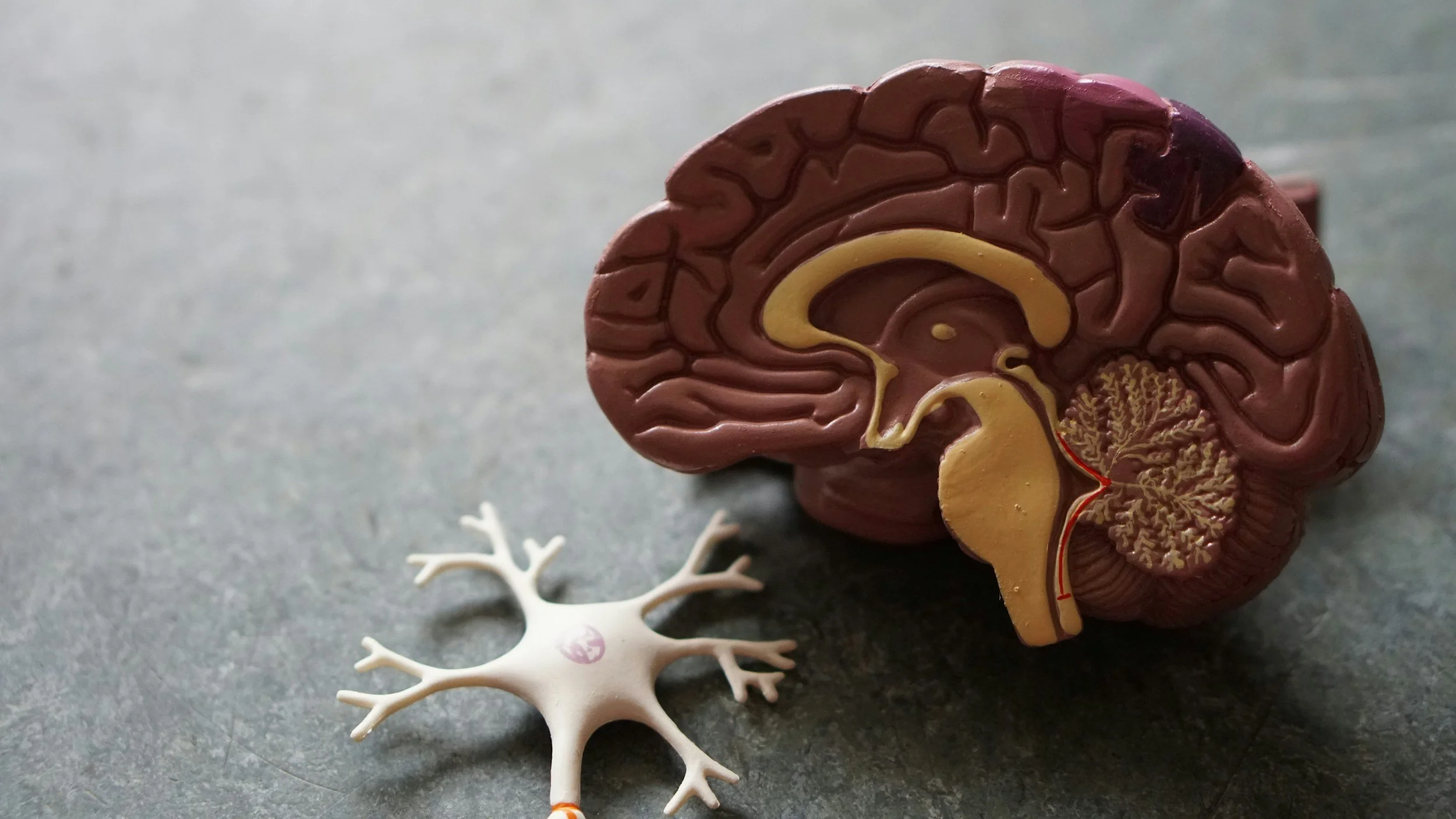
Balancing your nervous system? What does that have to do with counseling?
Balancing your nervous system may not be the first thing you think of when you consider counseling—but it plays a foundational role in emotional health, stress, and connection. Our nervous system influences how we experience anxiety, depression, anger, safety, and even relationships, often before we are consciously aware of it.
In this article, Dr. Judith Allen explores how counseling supports nervous system regulation and why mind–body approaches like somatic psychology are so effective. You’ll learn how stress and trauma affect the nervous system, the science behind fight-or-flight responses, and how integrating body awareness into therapy can lead to deeper healing, resilience, and long-term emotional regulation.

The Benefits of Working With a Somatic Therapist: What to Expect and How It Helps Healing
Your body often knows the truth long before your mind can explain it. If you’ve ever felt tension, anxiety, or emotional reactions that seem to come out of nowhere, somatic therapy offers a powerful, body-centered path to healing. Unlike traditional talk therapy alone, somatic therapy helps clients understand how stress and trauma live in the nervous system—and how to gently release what’s been held for years.
In this in-depth guide, Dr. Ernie Reilly, LCSW explains what somatic therapy is, how it works, who it helps most, and what to expect in your first session. You’ll learn how breathwork, movement, and body awareness can restore a sense of safety, regulate emotions, and support lasting healing. If you feel stuck despite “doing all the right things,” somatic therapy may be the missing piece your body has been waiting for.

A New Year’s Guide to Mental Health and Stronger Relationships
January creates space to notice what’s really happening in our closest relationships. If distance, repeated conflict, or emotional disconnection crept in last year, this guide explores how mental health shapes relationships—and how prioritizing emotional wellness in 2026 can help couples and families reconnect with empathy, clarity, and intention.
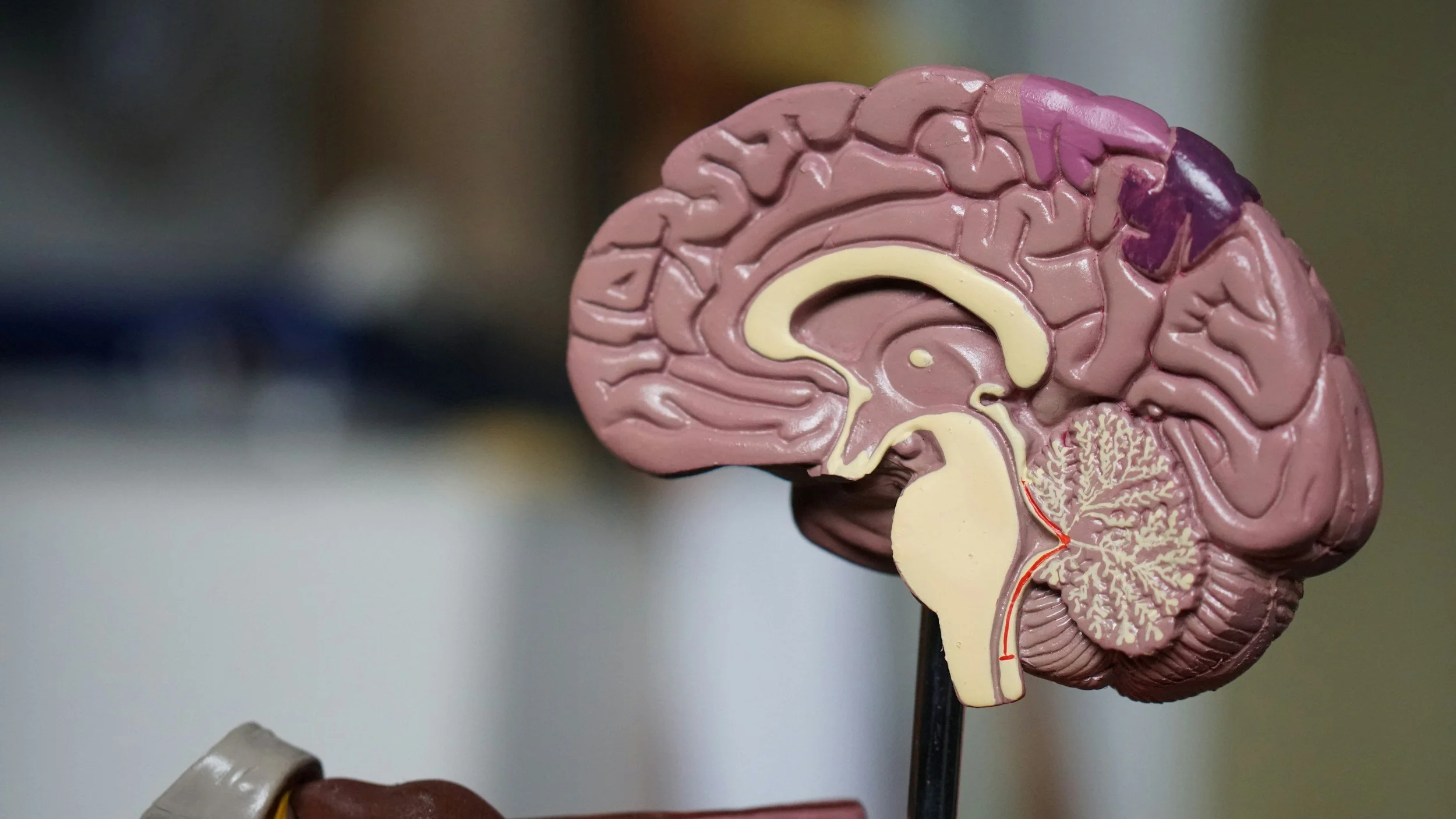
How Can I Calm Anxiety? The Science Behind Anxiety and Understanding How to Calm Your Mind
Anxiety isn’t just “in your head”—it’s tied to brain circuits, sleep, lifestyle, and even gut health. This guide explores how caffeine and alcohol impact symptoms, when to seek professional help, and red flags to watch for. Learn about early intervention, evidence-based treatments, and the latest research on inflammation, the gut-brain axis, and personalized care. Discover practical tools and resources to calm your mind, build resilience, and take back control of your well-being.
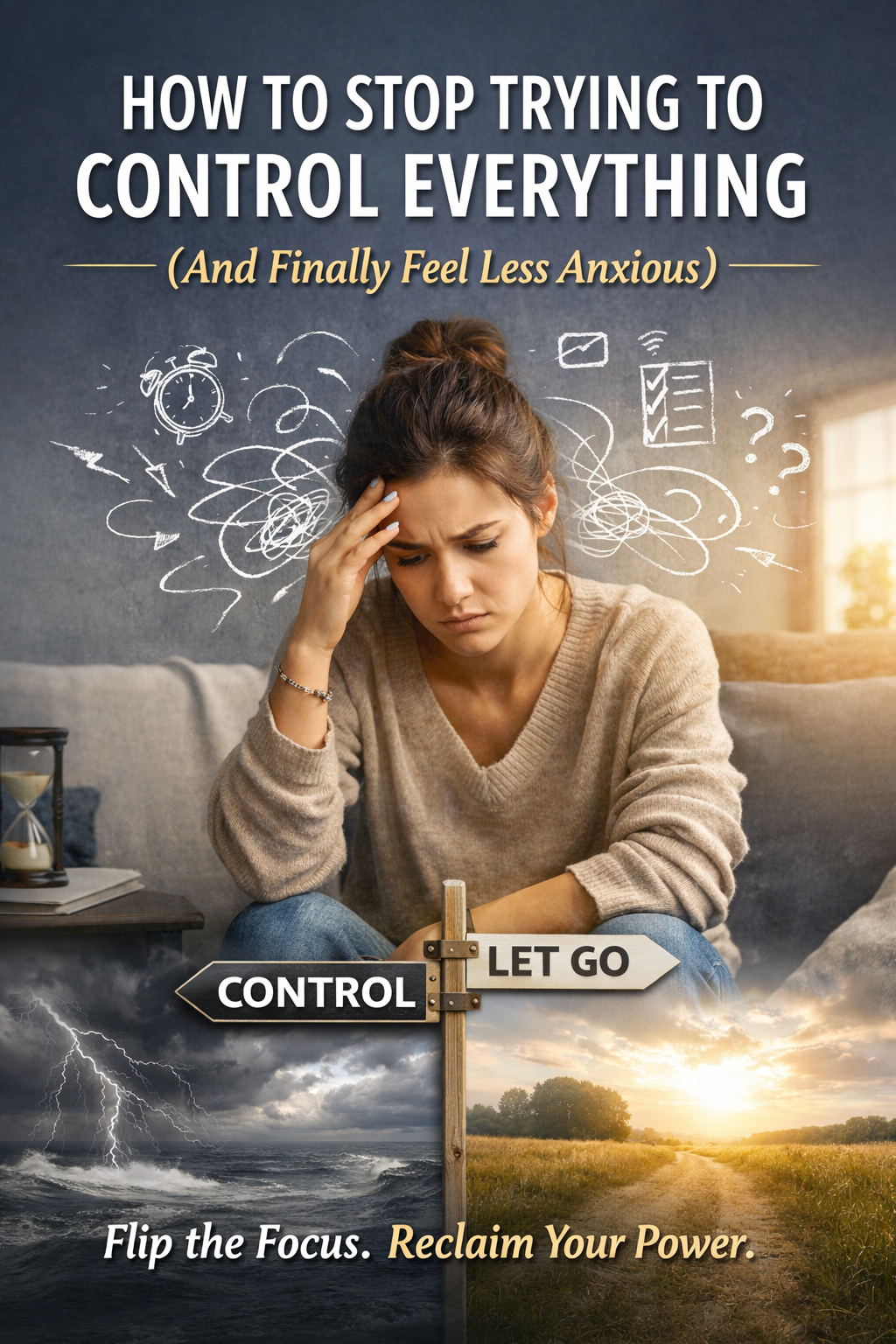
How to Stop Trying to Control Everything (And Finally Feel Less Anxious)
If you feel like you have to control everything just to keep life from falling apart, you’re not alone. This article explains why control increases anxiety—and how shifting your focus can help you feel calmer, clearer, and more grounded.
Overthinking, stress, and trying to manage everything can leave you exhausted. Learn how letting go of what you can’t control—and focusing on what you can—can help you feel less anxious and more in control of your life.