
Balancing your nervous system? What does that have to do with counseling?
By Dr. Judith Allen, DSW, LCSW
Director of Clicnical Services at The Counseling Corner
Est. 1998
Why Balancing Your Nervous System Matters in Counseling
Many of us understand that taking care of our mental health includes a focus on the entire self - mind, body & spirit. Counseling and therapy is often associated with developing strategies to improve our moods, behaviors, and even our relationships. We often hear statements like:
“I feel depressed and I go to therapy to feel better”.
“I struggle with anxiety all the time and have a lot of worries, and counseling really helps me with that”.
“I have problems getting along with others, and my therapist has assisted me to make improvements socially”.
These are typical reasons for going to therapy, but did you know that our nervous system has a great impact on these challenges? Taking care of the mind, body, and spirit includes regulating our nervous systems. When you feel anxious, nervous, or worried, do you feel jittery or shaky on the inside? Do you feel your heart racing? When you feel sad or depressed, do you notice how your body slows down? Do you feel low energy or loss of motivation? When you’re angry, do you feel an adrenaline rush or a buildup of tension? If you answer “yes” to any of these questions, you are realizing how your nervous system is impacted by your emotions, and even how your emotions are impacting your nervous system.
Understanding the Nervous System and Mental Health
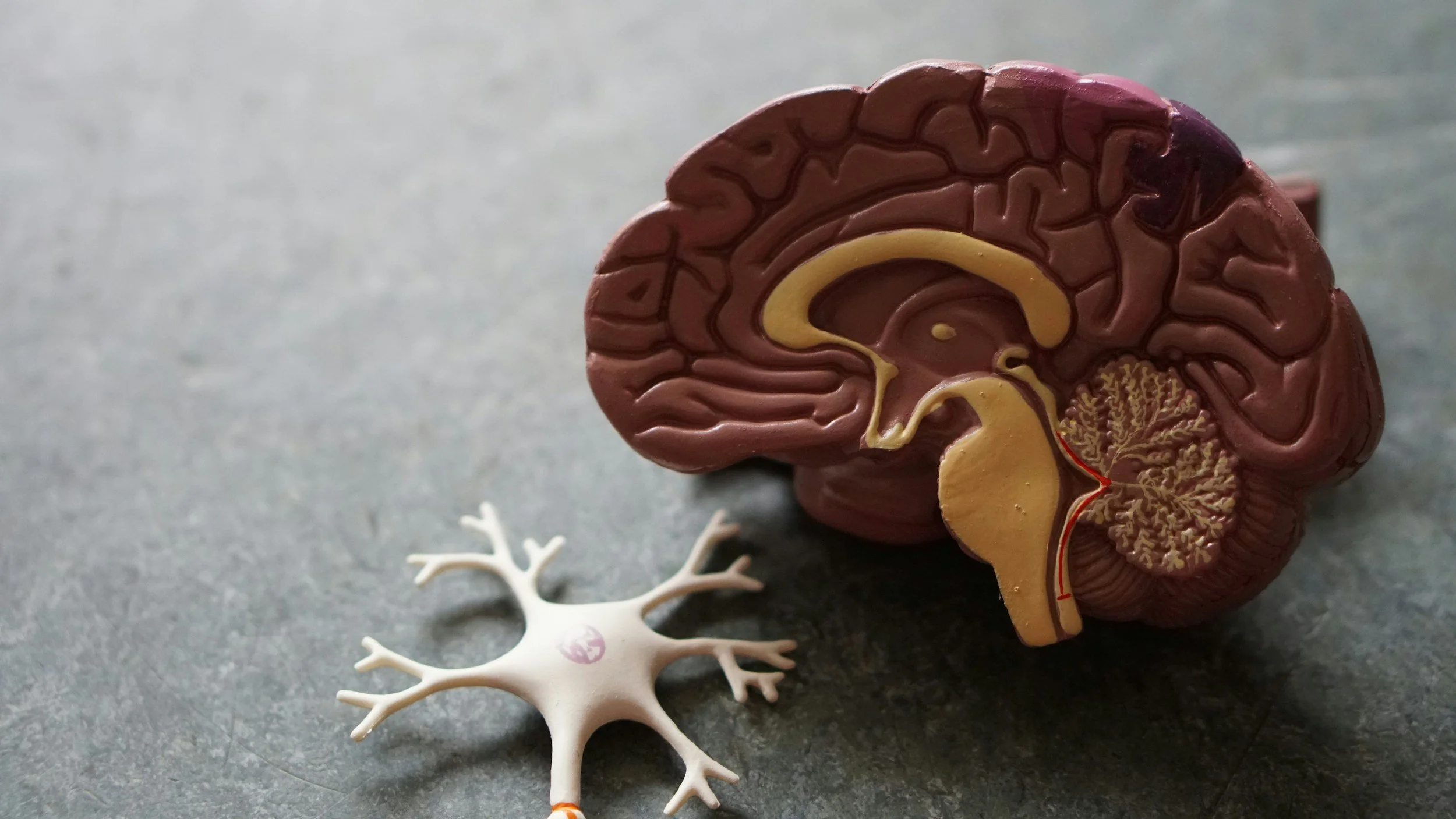
Here’s a quick biology lesson (or refresher) of the nervous system - the part of our bodies that coordinates voluntary and involuntary actions by sending signals throughout the body. The nervous system is separated into two main parts; the central nervous system (CNS) which involves the brain and spinal cord, and the peripheral nervous system (PNS) which involves all other nerves throughout our bodies that send messages from the brain to the different parts (including our organs, muscles, bodily sensations, and so much more). The PNS is broken down into the autonomic nervous system (ANS), comprising three different branches such as the sympathetic nervous system (SNS), the parasympathetic nervous system (PSNS), and the enteric nervous system (ENS). As a whole, the ANS primarily and unconsciously regulates all bodily functions.
The most important part to understand is that the sympathetic nervous system is responsible for setting off fight-or-flight response, and the parasympathetic nervous system is responsible for the body's rest and digestion response. One accounts for a “mobilizing” or “excitable” response in the body, while the other focuses more on “dampening” or “immobilizing” bodily response. An additional component involves the vagus nerve which is the longest nerve in the autonomic nervous system that helps regulate essential involuntary functions like heart rate, breathing, and digestion. By controlling these processes, the vagus nerve functions to calm the body after stress, lower heart rate, improve digestion, and maintain a level of homeostasis. This all helps you to understand more about what we all know as the “fight or flight” reactions, and how these components of the nervous system are directly connected to mental and emotional health. More importantly, the nervous system plays a foundational role in how humans experience stress, safety, and connection.
What Is Somatic Psychology? A Mind–Body Approach to Healing
Somatic psychology is an approach to counseling and therapy that recognizes the connection between the mind and body, and more specifically the connection between the nervous system and mental health. While traditional talk therapy focuses primarily on thoughts, emotions, and behaviors, somatic psychology integrates the body (especially the nervous system) as a central source of information and a pathway for healing. Traditional therapy is sometimes referred to as a “top-down” psychological approach: helping clients challenge thoughts, understand emotions, and make meaning of their experiences. Somatic psychology uses the same ideas but adds a “bottom-up” method that focuses on regulating the nervous system so that more insight-oriented actions can bring healing more effectively.
Somatic psychology builds on traditional therapeutic approaches in the following ways:

1. Bringing attention to the body to regulate emotions - Somatic practices like grounding techniques, regulated breathing, sensing physical sensations, or even intentional gentle movement activities help to shift the physiological state. A regulated nervous system sets the stage for deeper cognitive and emotional work. Body awareness can also help you prevent problems from occurring.
2. Reprocessing stress and trauma that is held inside the body - Talk therapy can help an individual understand their trauma, but trauma is often stored nonverbally—through sensations, posture, muscle tension, or automatic defense responses. Somatic methods allow us to complete or renegotiate these stuck body patterns or habits. These approaches may include Somatic Experiencing, Sensorimotor Psychotherapy, Accelerated Resolution Therapy (ART), and EMDR (when used with somatic elements and body-based cues to guide healing).
3. Understanding and support of nonverbal or overwhelming experiences - Many struggle to be in touch with and/or verbalize their internal sense of self, especially during times of distress. Somatic approaches teach body awareness and noticing these points that may include noticing tightening in the chest, feeling of numbness in the limbs, and/or recognizing a change in breathing. These sensations are meaningful data that allows you to become more aware, be more accurate, and intervene more effectively. This body data can also help you prevent problems from escalating.
4. Enhancing the integration of a “Mind-Body” approach - Traditional therapy helps process thoughts and emotions; somatic therapy helps you to internally feel the shift. When both are combined, you will be able to experience better emotional regulation, an improved sense of safety, a deeper connection with self and others, an improved ability to tolerate discomfort, and more importantly bring about long-term resilience.
Polyvagal Theory and the Science of Safety
One approach in somatic psychology is through the work of a neuroscientist, Stephen Porges and his Polyvagal Theory. This describes how the autonomic nervous system influences thoughts, feelings, behaviors, and even social connections. The theory focuses on the vagus nerve (as described above) and explains how the body shifts between feeling safe, stressed, or shut down in response to the environment. Polyvagal Theory helps explain why feelings of safety support emotional regulation and mental health, while chronic stress or trauma can disrupt these nervous system responses. Porges identified the concept of “neuroception” as the unconscious process of being able to detect safety or danger in the environment. This is then connected to the idea of the “window of tolerance” and becoming more connected to our internal worlds to stay within this “window” of self-regulation. During this time, a person can think clearly, manage emotions, and respond effectively, but outside this “window”, people may experience hyperarousal (anxiety, anger) or hypoarousal (numbness, withdrawal).
Somatic psychology brings the physical body into the therapeutic process and strengthens, deepens, and enhances traditional therapy. By understanding the nervous system and its patterns, therapists can be more attuned, trauma-informed, and provide services in a more effective manner. Integrating somatic and traditional approaches helps you move beyond self-awareness and toward comprehensive healing, resilience, and a strengthened sense of safety within yourself. When the nervous system is working well, we can regulate our emotions, make better decisions, enhance our memory, improve our behaviors, and even enhance our connections with others.
Ask your therapist about using this approach. Open your mind and awareness towards learning new approaches. Become more empowered to guide your own therapeutic process. Most of all, become more resilient and mentally strong to enhance your path towards deeper healing. Mental health is part of our overall health!
Information gathered from:
PESI Complex PTSD Clinical Workshop; Heart Mind Summits, 2025; https://www.stephenporges.com/; “Polyvagal Practice” by Deb Dana.