
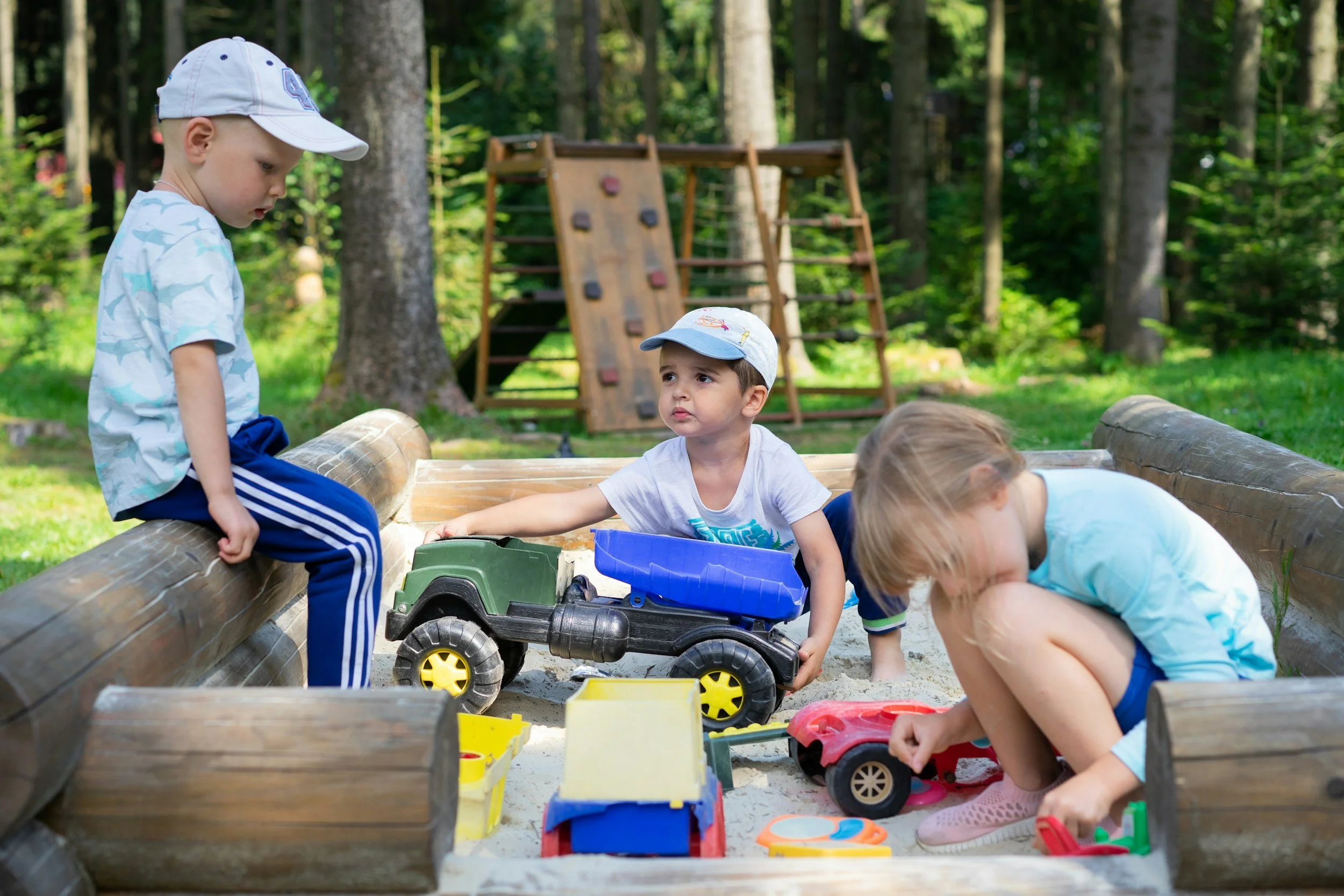
How to Help Your Child Talk About Feelings Through Play
A child may be able to explain a favorite game but struggle to say they felt embarrassed or left out. This parent guide shares five ways to help preschool and early-elementary children talk about feelings through everyday play. Using toys, stories, drawing, and games, you can offer words without pressuring your child to explain everything. You will find examples of what to say and ways to adapt when your child stays quiet or disagrees. The article also explains when ongoing emotional difficulties deserve professional attention.

How Children Grieve at Different Ages
Children understand and express grief differently as they grow. Preschoolers may repeat questions or regress, school-age children may worry about safety or struggle at school, and teenagers may become private, angry, or withdrawn. This guide explains what grief can look like at each developmental stage and how parents can respond with clear, age-appropriate support. It also explores why children may revisit the same loss as their understanding matures. When grief begins disrupting daily life, children’s grief counseling can provide a safe place to process the loss.

Why Trauma Triggers Can Look Like Misbehavior in Children
A child’s sudden anger, withdrawal, refusal, or panic may look like misbehavior when the response may be connected to a trauma trigger. This article explains why safe situations can still feel dangerous to a child and how trauma responses may appear at home or school. Parents will learn about commonly overlooked triggers and practical ways to respond without removing necessary boundaries. It also identifies reactions that can make an already difficult moment worse. When these patterns persist or interfere with daily life, trauma-informed counseling may help the family understand what is happening and choose an appropriate next step.

How Grief Counseling Benefits Your Healing Journey: Transforming Loss into Hope
Grief can feel overwhelming, isolating, and deeply personal—but you don’t have to navigate it alone. This article explores how grief counseling supports healing by providing emotional validation, practical coping strategies, and a safe space to process loss at your own pace. Learn how evidence-based therapies like CBT, Complicated Grief Therapy, and narrative approaches help transform pain into meaning and hope. You’ll also discover when professional support is most helpful and how to find the right grief counselor for your needs. Whether your loss is recent or long-standing, compassionate guidance can make a powerful difference in your healing journey.

A New Year’s Guide to Mental Health and Stronger Relationships
January creates space to notice what’s really happening in our closest relationships. If distance, repeated conflict, or emotional disconnection crept in last year, this guide explores how mental health shapes relationships—and how prioritizing emotional wellness in 2026 can help couples and families reconnect with empathy, clarity, and intention.

10 Simple Holiday Habits to Protect Your Family’s Mental Health This Month
The holiday season can overwhelm even the most organized families—school events, late nights, sugar highs, big emotions, grief, and pressure to “make it magical.” This guide from Dr. Ernie Reilly breaks down 10 simple, realistic habits that protect your family’s mental health during December. Learn how to reduce stress, strengthen connection, support kids’ emotions, share the mental load, set gentle boundaries, and recognize when professional help can make all the difference. These practical, evidence-based habits help your home feel calmer, more connected, and more grounded—so you can experience the season with more peace and far less pressure.