

The Therapeutic Powers of Play Therapy: How It Heals Emotional Wounds in Children
Play therapy is more than just play—it’s a powerful, research-backed approach that helps children process emotions, heal from trauma, and build resilience. In this article, Dr. Ernie Reilly explains how therapeutic play allows children to express what they often cannot put into words. From art and sandplay to role-playing techniques, these methods create a safe space for emotional healing and growth. You’ll also learn the common emotional challenges children face and how play therapy addresses them effectively. If your child is struggling with anxiety, behavioral issues, or past trauma, this guide offers clarity, hope, and practical next steps.
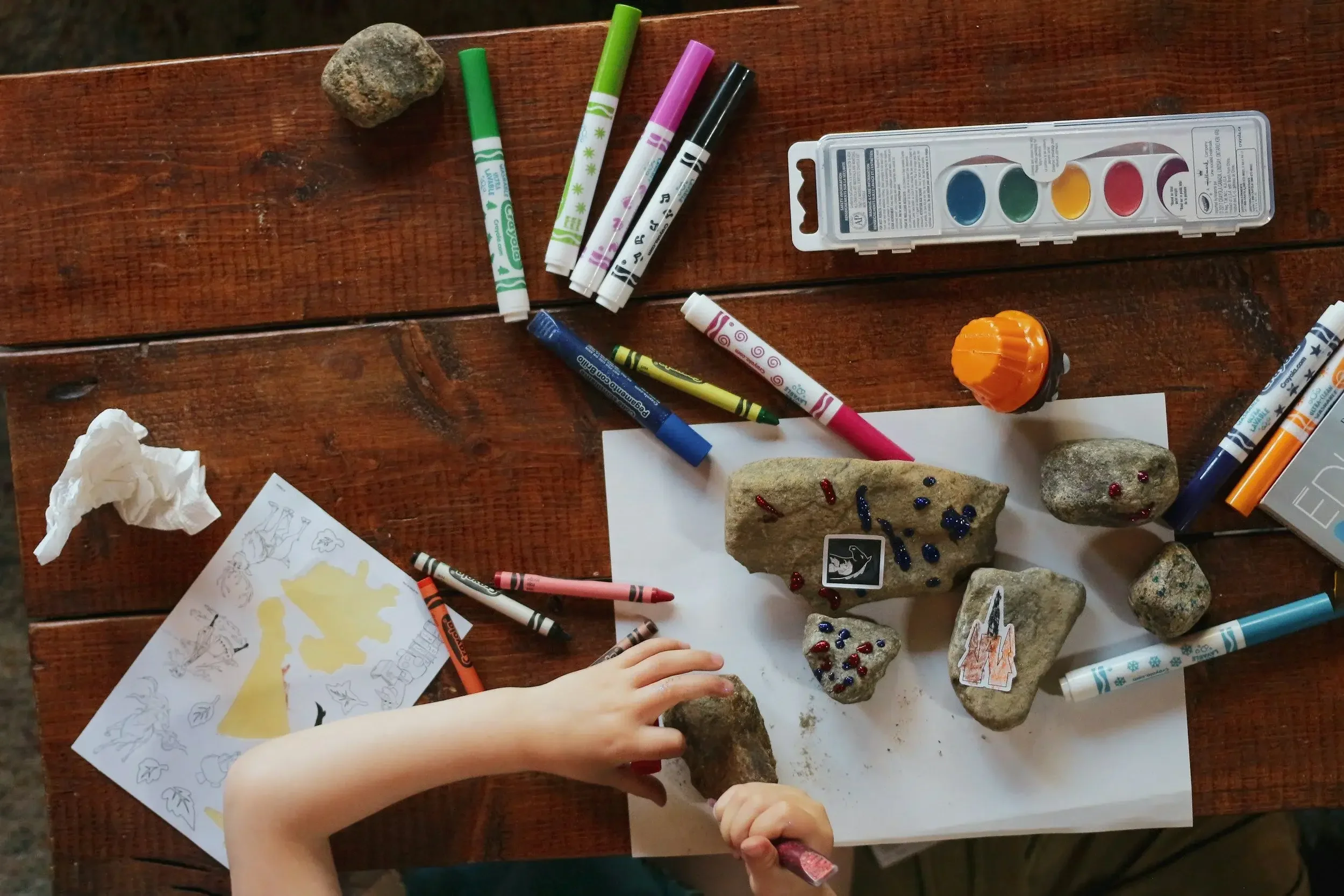
Understanding Your Child’s Big Feelings: Play Therapy and Helping Kids Regulate Emotions
Kids don’t melt down to be difficult—their brains are still wiring for self-control. This parent guide explains the science behind big feelings, why co-regulation works, and how play therapy teaches kids to name emotions, calm their bodies, and problem-solve through toys, stories, and imagination. You’ll get simple at-home strategies (balloon breaths, calm corners, emotion charades), signs it’s time to seek help, and hope from real-life examples. Written by Orlando child therapists at The Counseling Corner.
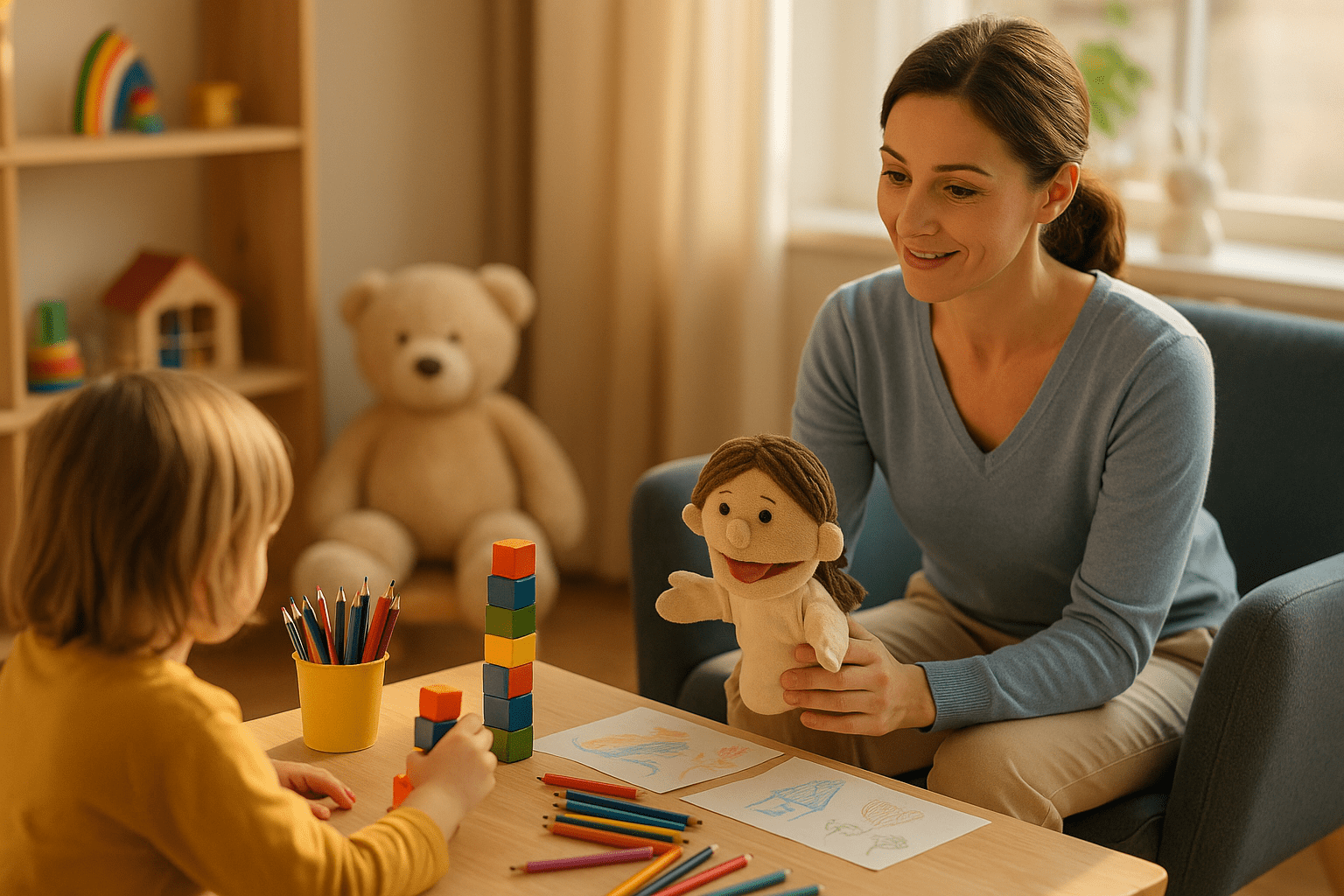
Play Therapy and Child Counseling in Orlando: A Complete Guide for Parents
When children struggle to express emotions, play becomes their language. This guide explains how play therapy and child counseling in Orlando help kids process anxiety, anger, grief, and behavioral challenges through creativity and connection. Discover how sessions work, what parents can expect, and how early support can help your child thrive emotionally and socially.

Navigating the Back-to-School Transition: Strategies for Children with ADHD
Help your child with ADHD thrive this school year with proven back-to-school strategies from an experienced Orlando counselor. Discover practical tips for improving focus, reducing distractions, building routines, and fostering confidence—both in the classroom and at home.
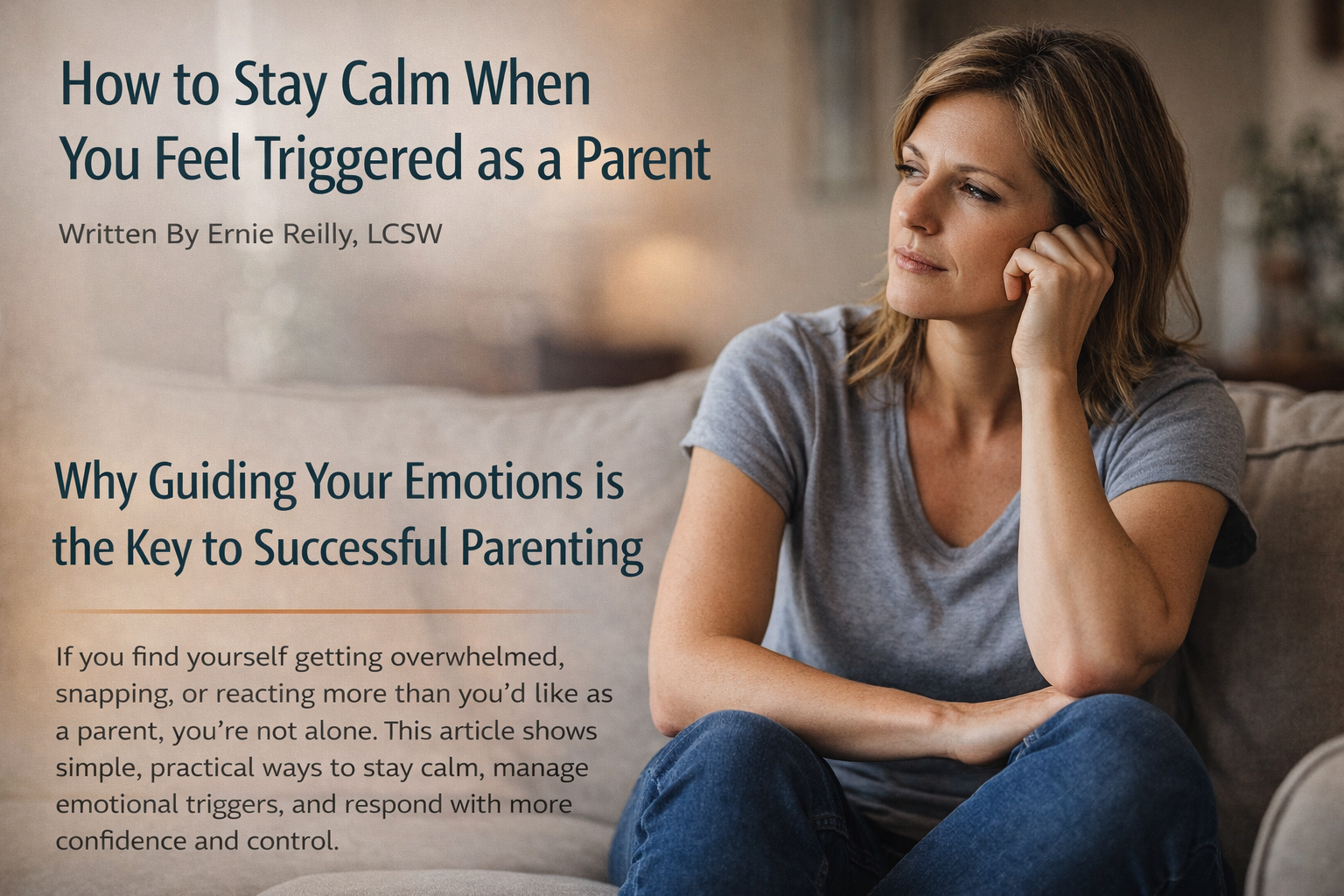
How to Stay Calm When You Feel Triggered as a Parent (Without Shutting Down or Exploding)
f you find yourself losing patience, snapping, or reacting in ways you regret as a parent, you’re not alone. This article offers simple, practical tools to help you stay calm, manage emotional triggers, and respond with more confidence and control.
Parenting can feel overwhelming—especially when your child’s behavior triggers a strong reaction. Learn how to slow down, stay grounded, and respond in a way that strengthens connection instead of escalating conflict.