
How to Choose the Right Marriage or Relationship Counselor: Essential Questions to Ask

By: Dr. Ernie Reilly, LCSW
Founder and Executive Director of The Counseling Corner, est. 1998
Selecting the right marriage counselor is a crucial step in addressing relationship challenges and fostering a healthier partnership. This guide will help you navigate the process by outlining essential qualifications, questions to ask, and the various counseling techniques available. Many couples face difficulties in communication, trust, and intimacy, which can lead to feelings of frustration and hopelessness. However, finding a qualified counselor can provide the support needed to rebuild and strengthen your relationship. In this article, we will explore key qualifications for counselors, essential questions to ask, the impact of different counseling techniques, and how to prepare for your first session.
What Are the Key Qualifications and Credentials of a Licensed Marriage Counselor?
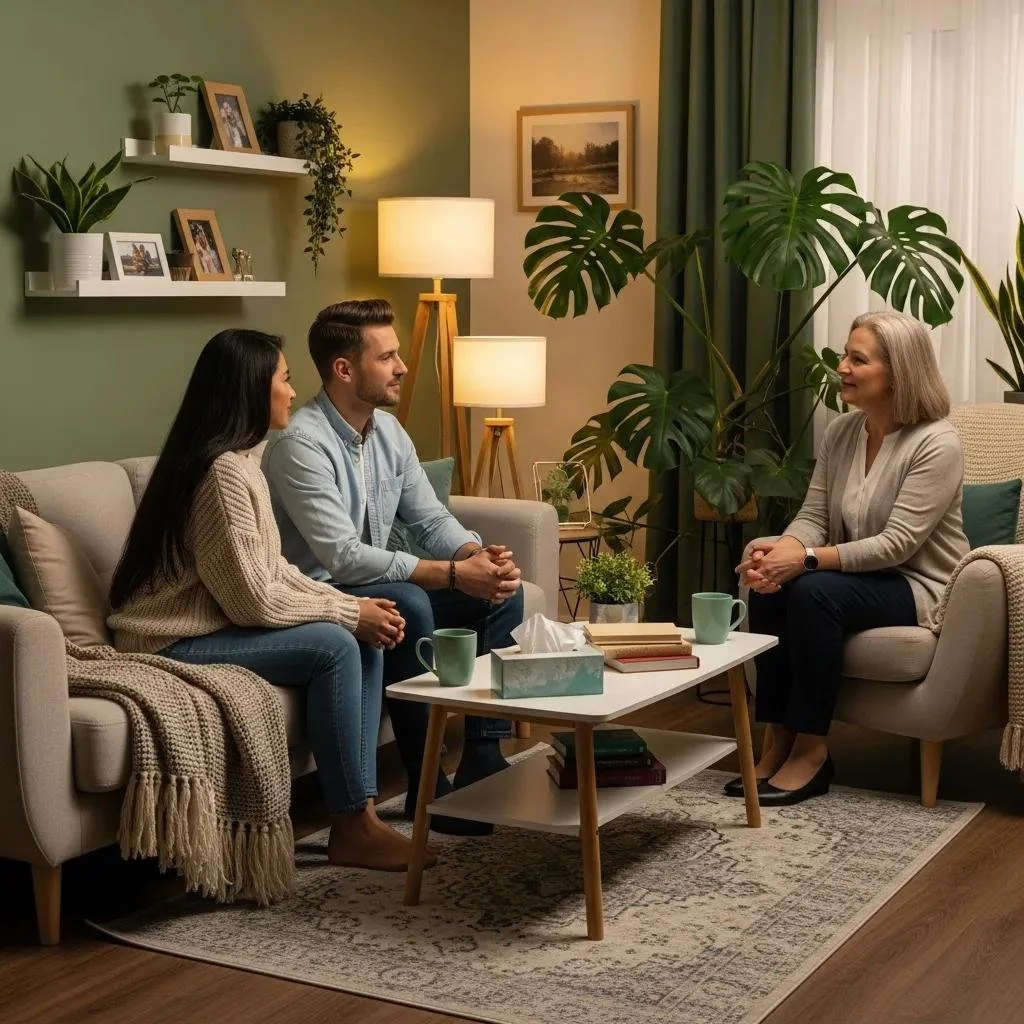
When seeking a marriage counselor, understanding their qualifications and credentials is vital for ensuring effective therapy. Licensed marriage counselors typically hold advanced degrees in psychology, social work, or counseling, and they must be licensed by their state to practice. This licensing process often includes rigorous training and supervised clinical experience, which helps ensure that counselors are equipped to handle various relationship issues.
How Do Licensing and Certification Impact Counselor Credibility?
Licensing and certification significantly enhance a counselor's credibility. Licensed counselors have met specific educational and training requirements set by state licensing boards, which often include passing comprehensive exams. This process ensures that they possess the necessary knowledge and skills to provide effective therapy. Additionally, certifications from recognized professional organizations can further validate a counselor's expertise, instilling greater trust in clients.
Indeed, state licensing plays a crucial role in safeguarding the public by ensuring that only qualified professionals practice marriage and family therapy.
State Licensing for Marriage & Family Therapists Each state has some form of license to regulate Marriage and Family Therapists (MFT),52 and these licenses are designed to protect the public from unqualified practitioners. Breaking barriers: Cross-state licensing reform for licensed professional counselors, 2023
What Experience Levels Should You Look for in a Marriage Therapist?
Experience plays a crucial role in the effectiveness of marriage counseling. Research indicates that therapists with several years of experience tend to achieve better outcomes for their clients. When evaluating potential counselors, consider their years of practice, areas of specialization, and the types of issues they have successfully addressed in the past. A therapist with a diverse background in handling various relationship dynamics can offer valuable insights and strategies tailored to your unique situation.
Which Essential Questions Should You Ask Before Starting Marriage Counseling?
Before committing to a marriage counselor, it's essential to ask specific questions that can help you gauge their suitability for your needs. These questions can provide insight into their approach, techniques, and how they prioritize client comfort and confidentiality.
What Counseling Techniques Does the Therapist Use? Understanding the techniques a counselor employs can help you determine if their approach aligns with your expectations. Different therapists may use various methods, such as cognitive-behavioral therapy, emotionally focused therapy, or solution-focused therapy. Each technique has its strengths, and knowing which one your counselor uses can help you feel more comfortable with the process.
How Does the Counselor Ensure Client Confidentiality and Comfort? Confidentiality is a cornerstone of effective therapy. Inquire about the counselor's policies regarding privacy and how they create a safe environment for clients to share their thoughts and feelings. A good counselor will prioritize your comfort and ensure that you feel secure discussing sensitive topics.
How Do Different Types of Marriage Counseling Techniques Affect Therapy Outcomes?
The effectiveness of marriage counseling can vary significantly based on the techniques employed by the therapist. Understanding these techniques can help you make an informed decision about which counselor to choose.
What Are Common Couples Therapy Approaches and Their Benefits?
Several common approaches to couples therapy include:
Cognitive-Behavioral Therapy (CBT): Focuses on identifying and changing negative thought patterns and behaviors that contribute to relationship issues. This method can help couples develop healthier communication skills and problem-solving strategies.
Emotionally Focused Therapy (EFT): Aims to strengthen emotional bonds between partners by addressing underlying feelings and attachment needs. This approach is particularly effective for couples struggling with emotional disconnection.
Gottman Method: Based on extensive research, this method emphasizes building a sound relationship foundation through friendship, shared meaning, and conflict management skills.
Studies have further demonstrated the effectiveness of both behavioral and emotionally focused therapies in addressing varying degrees of couple distress.
Efficacy of BCT & EFT for Couple Distress Twenty treatment outcome studies, 13 of which evaluated behavioral couples therapy (BCT) and seven of which evaluated emotionally focused therapy (EFT) were reviewed, leading to the following conclusions. BCT leads to short and long-term gains for moderate to severe couple distress. EFT leads to short and long-term gains for mild to moderate couple distress. The efficacy of behavioral couples therapy and emotionally focused therapy for couple distress, A Carr, 1979
Research further supports the effectiveness of the Gottman Method in improving marital adjustment and intimacy.
Gottman Couple Therapy for Marital Adjustment & Intimacy Findings revealed that Gottman’s couple therapy approach had positive effects on improving marital adjustment (P = 0/001) and couples' intimacy (P = 0/001). Furthermore, the results of assessments in the follow-up period indicated that Gottman’s couple therapy had enduring effects on marital adjustment and couples' intimacy. Examining the effectiveness of gottman couple therapy on improving marital adjustment and couples' intimacy, 2018
Each of these approaches offers unique benefits, and the right choice will depend on your specific relationship dynamics and goals.
How Does Cultural Competence Influence Counseling Effectiveness?
Cultural competence is essential in marriage counseling, as it allows therapists to understand and respect the diverse backgrounds and experiences of their clients. Counselors who are culturally competent can tailor their approaches to better meet the needs of couples from various cultural contexts. This understanding can lead to more effective communication and a deeper connection between partners, ultimately enhancing the therapy's success.
What Should You Know About Online Versus In-Person Marriage Counseling Options?
In recent years, online counseling has gained popularity, offering couples flexibility and convenience. However, it's essential to weigh the advantages and limitations of both online and in-person counseling to determine the best fit for your needs.
What Are the Advantages and Limitations of Teletherapy for Couples?
Teletherapy offers several advantages, including:
Convenience: Couples can attend sessions from the comfort of their homes, eliminating travel time and logistical challenges.
Accessibility: Online counseling can connect couples with therapists who may not be available locally, broadening their options.
Flexibility: Teletherapy often allows for more flexible scheduling, making it easier for couples to find a time that works for both partners.
However, there are limitations to consider, such as potential technical issues and the lack of in-person connection, which some couples may find essential for effective therapy.
How to Decide Between Online and Face-to-Face Counseling Sessions?
When deciding between online and in-person counseling, consider factors such as your comfort level with technology, the importance of face-to-face interaction, and your specific needs as a couple. If you value the personal connection that comes with in-person sessions, traditional counseling may be the better option. Conversely, if convenience and accessibility are your top priorities, online counseling could be the ideal choice.
How Can You Prepare for Your First Marriage Counseling Session?
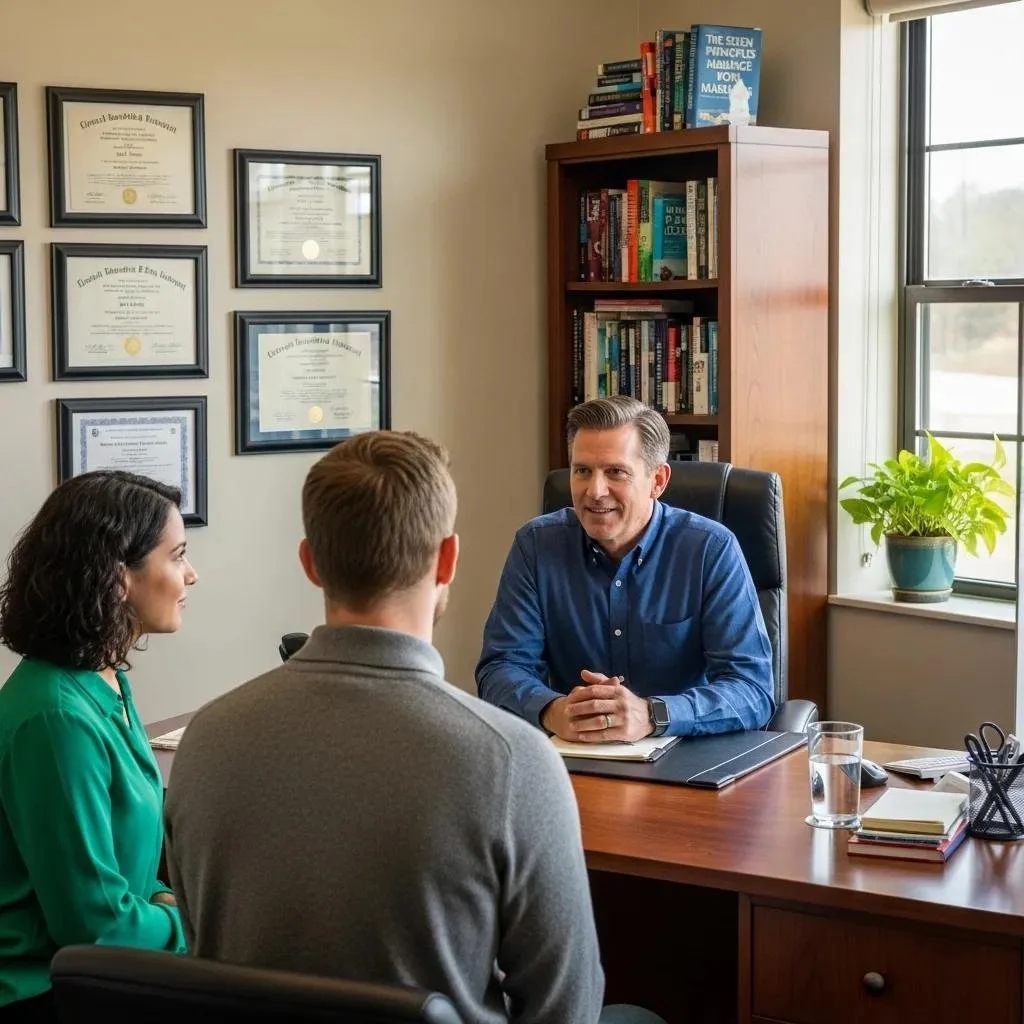
Preparing for your first counseling session can help set the stage for a productive experience. Being proactive about what to expect and how to communicate can enhance the effectiveness of your therapy.
What Information Should You Share with Your Counselor Initially?
During your first session, it's essential to share relevant information about your relationship, including your history, current challenges, and individual perspectives. Providing context can help the counselor understand your situation better and tailor their approach accordingly. Be open about your goals for counseling and any specific issues you'd like to address.
What Are Practical Tips to Maximize the Benefits of Early Sessions?
To make the most of your early counseling sessions, consider the following tips:
Be Honest: Open communication is vital for effective therapy. Share your thoughts and feelings candidly with your counselor.
Set Goals: Discuss your goals for counseling with your partner and the therapist. Having clear objectives can help guide the therapy process.
Stay Committed: Consistency is key in therapy. Attend sessions regularly and engage in any homework or exercises assigned by your counselor.
What Are the Typical Costs and Insurance Coverage Options for Marriage Counseling?
Understanding the costs associated with marriage counseling and potential insurance coverage can help you make informed decisions about your therapy options.
How Do Counseling Fees Vary by Counselor Credentials and Session Format?
Counseling fees can vary significantly based on the counselor's credentials, experience, and the format of the sessions. On average, in-person sessions may range from $100 to $250 per hour, while online sessions can be slightly lower. It's essential to inquire about fees upfront and discuss any financial concerns with your counselor.
What Insurance Plans Commonly Cover Relationship Counseling Services?
Many insurance plans offer coverage for marriage counseling, but the extent of coverage can vary. Common plans that may cover relationship counseling include:
PPO Plans: Often provide coverage for out-of-network therapists, allowing for greater flexibility in choosing a counselor.
EAP Programs: Employee Assistance Programs may offer a limited number of counseling sessions at no cost to employees.
Medicaid: In some states, Medicaid may cover counseling services for couples, depending on eligibility.
It's crucial to check with your insurance provider to understand your specific coverage options and any out-of-pocket costs you may incur.
| Counseling Type | Average Cost | Insurance Coverage |
|---|---|---|
| In-Person Session | $100 - $250 | Varies by plan |
| Online Session | $80 - $200 | Varies by plan |
| Group Therapy | $50 - $100 | Limited coverage |
This table illustrates the typical costs associated with different types of counseling and highlights the importance of verifying insurance coverage before beginning therapy.
Conclusion
Choosing the right marriage counselor can significantly enhance your relationship by providing tailored support and effective strategies for communication and intimacy. Understanding the qualifications, techniques, and costs associated with counseling empowers couples to make informed decisions that align with their unique needs. By taking the time to ask essential questions and evaluate options, you can find a counselor who fosters a safe and productive environment for growth. Start your journey towards a healthier partnership by exploring our resources and connecting with a qualified counselor today.